How to Choose Flowers for a Friend With Hay Fever
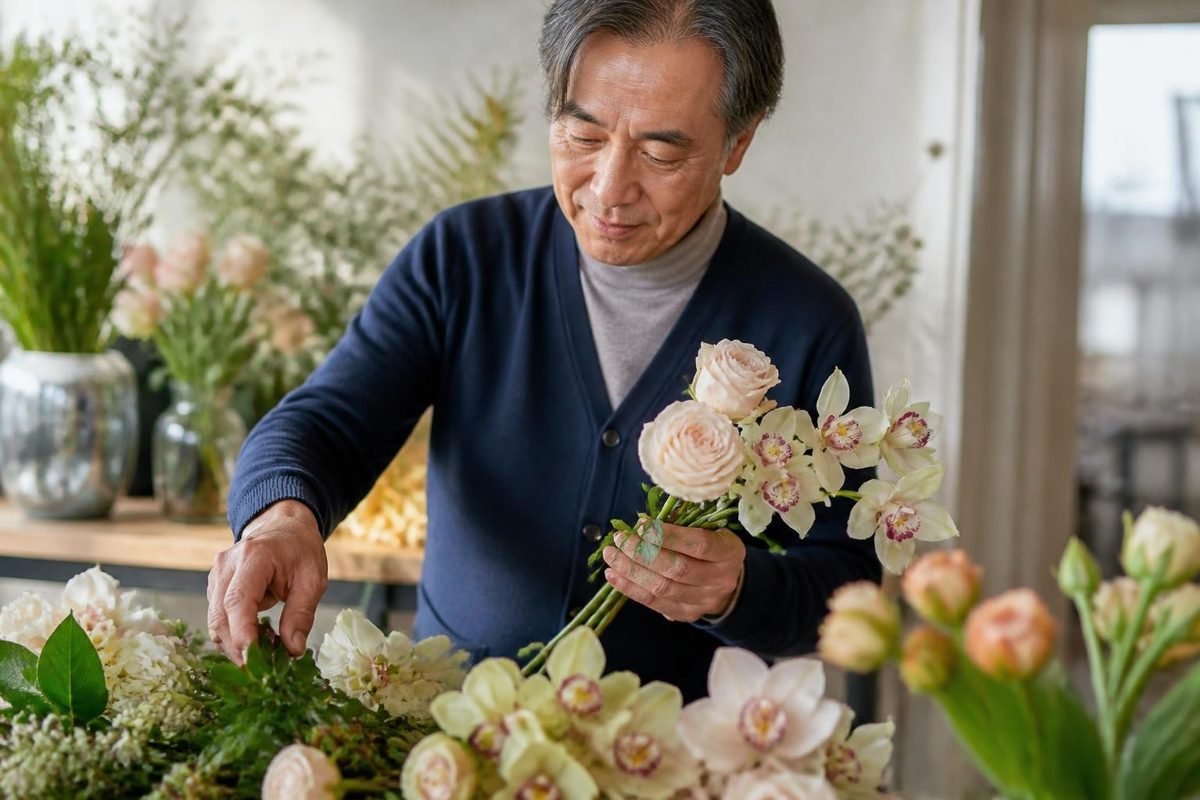
Choose flowers with little exposed pollen and a mild scent, and check with your friend before sending them. Roses, orchids and hydrangeas are worth considering, but no flower is guaranteed to suit everyone.
Start with your friend
Hay fever triggers vary. A flower that causes no trouble for one person may bother another, and a strong fragrance can be unpleasant even when pollen is not the problem.
Ask if your friend has flowers they already enjoy or any they avoid. If the gift is a surprise, someone close to them may know. Their own experience is more useful than a general list of supposedly safe flowers.
Think about where the arrangement will sit. A compact bunch for a room with space to spare may be easier to enjoy than a large, fragrant display beside a bed or desk.
Flowers to consider
Look for blooms that do not shed much visible pollen. These are useful starting points for a conversation with a florist:
- Roses: Many have layers of petals around their pollen. Ask for a lightly scented variety.
- Orchids: Their pollen is held in compact masses rather than freely scattered through the air.
- Hydrangeas: Their showy clusters can make a full arrangement without a strong scent.
- Carnations: Their many petals help conceal the central parts of the flower. Scent varies, so check the stems first.
These choices can reduce some concerns, but they are not a promise of an allergy free gift. Ask the florist to leave out grasses and other foliage that may carry exposed pollen.
Keep the arrangement simple
Tell the florist that the recipient has hay fever. Ask for a small arrangement with a mild scent and no visibly shedding pollen. A simple bunch also makes it easier to identify and remove a stem if it causes discomfort.
Avoid adding scented extras just to make the gift smell stronger. If you are buying flowers in person, smell them before choosing. Remember that a pleasant scent to you may still be too much for your friend.
Include a brief note saying there is no pressure to keep the flowers if they cause symptoms. If your friend would rather avoid cut flowers altogether, a card or another thoughtful gift is a better choice.
Common questions
Are lilies a good choice?
Lilies can release visible pollen, and some have a strong scent. Choose another flower unless you know your friend is comfortable with them.
Can removing pollen make any flower safe?
No. Removing visible pollen may reduce exposure, but it cannot guarantee that a flower will not cause symptoms or irritation.
Are dried flowers better than fresh ones?
Not necessarily. Dried arrangements can collect dust, which may bother some people. Ask your friend what they prefer before choosing one.
More on this: church flowers